



Informasi Lelang
Fitur Terbaru di JBA, Kini Bisa Lacak Status BPKB Dengan Mudah

Find Your Dream Car in JBA Indonesia
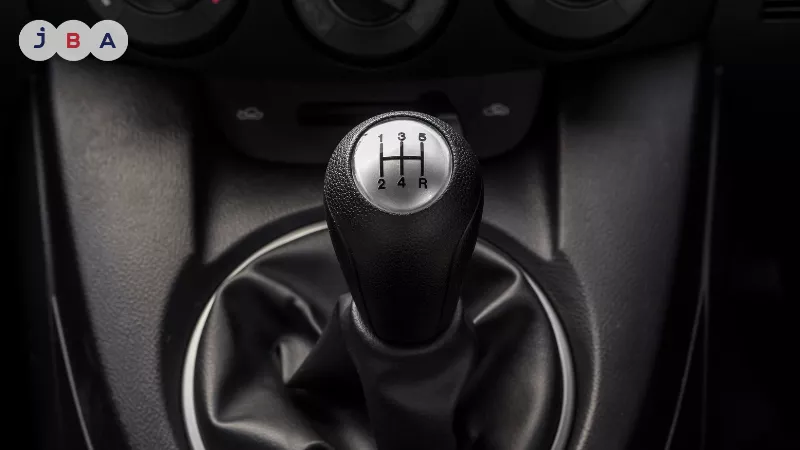
Manual car transmission components are the essential parts that make the gear-shifting system in a car work. A manual transmission regulates the engine’s power so it matches the car’s needs while being driven. This process is carried out with the help of the clutch pedal and gear lever, which are operated directly by the driver.
Knowing the components of a manual transmission is very important. This way, we can better understand how a car works, know when maintenance is needed, and avoid damage that could disrupt driving comfort.

The flywheel is a large metal disc located between the engine and the clutch. Its function is to store rotational energy from the engine and help keep the engine speed stable. When the engine runs, the flywheel spins and serves as a link between the engine and the clutch system.
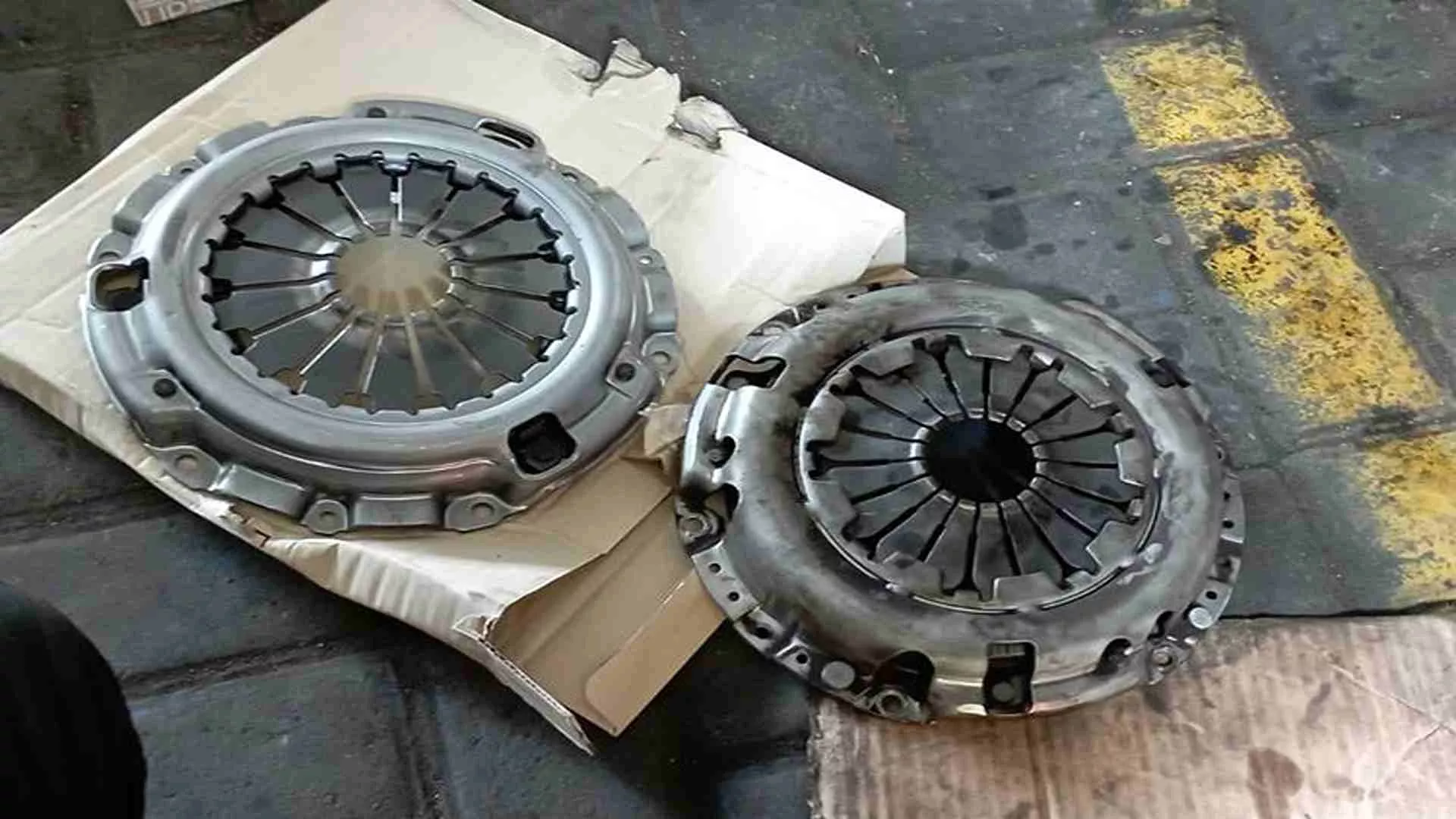
The clutch disc is the main component positioned between the flywheel and the pressure plate. When the clutch pedal is released, the clutch disc presses against the flywheel and transfers power from the engine to the transmission. If the clutch disc is worn out, slipping during acceleration or difficulty shifting gears usually occurs.
The pressure plate works together with the clutch disc and flywheel. This manual transmission component provides pressure to the clutch disc so it stays attached to the flywheel when the clutch is not pressed. When the clutch pedal is pressed, the pressure plate releases the pressure so the engine power is disconnected and gears can be shifted.
The release bearing works when the clutch pedal is pressed. Its job is to push the center of the pressure plate so the clutch disc separates from the flywheel. If this component is damaged, a squeaking sound will usually be heard when pressing the clutch.
The next manual transmission component is the clutch cover. The clutch cover or clutch housing is the casing that unites the flywheel, clutch disc, and pressure plate. Its function is to protect the clutch system from dust and dirt, as well as to keep the components in place.
The clutch pedal is the pedal pressed by the driver. The function of this manual transmission component is to activate the clutch system so that power from the engine to the transmission can be disconnected or reconnected. When the pedal is pressed, gears can be shifted because the power flow from the engine is cut off.
There are two common systems used to connect the clutch pedal with the clutch system in the engine:
Both function as a connector between the driver’s foot action and the clutch release mechanism in the engine.
Sumber: otomotif.kompas.com
The gearbox is where gear shifting takes place. Inside, there are various essential components that work together to regulate the vehicle’s torque and speed. Here’s an explanation of each part:
This shaft receives power from the engine through the clutch and then transfers it into the gearbox. In other words, the input shaft is the entry point of power before it is distributed to the transmission gears.
After the gearbox manages the engine’s power, the output shaft delivers it to the drive wheels through the driveshaft or propeller shaft. The output shaft determines how fast the car moves, depending on the selected gear.
This component contains a series of fixed gears that rotate together with the input shaft. The counter shaft transfers power to the output gears, depending on which gear is engaged. It serves as an important link between the input and output shafts.
The synchromesh is a small yet crucial component that ensures smooth gear shifts without getting “stuck.” Its function is to match the rotational speed of gears before they engage, preventing clashes between rotating gears.
The hub sleeve moves the gears when the driver shifts the gear lever. It works together with the synchro ring to allow the gears to connect at matching speeds.
The shift fork is a fork-shaped component that moves the hub sleeve left or right when gears are shifted. Driven by the gear lever, it helps engage or disengage specific gears.
This is the part used by the driver to select gears. The lever is connected to the shift fork inside the gearbox, and every movement directs the fork to engage the desired gear (1, 2, 3, etc.).
This mechanism regulates gear positioning to ensure that only one gear is engaged at a time. It prevents two gears from being selected simultaneously, keeping the transmission safe and functional.
This gear is dedicated to reverse motion. Unlike other gears that are directly connected, the reverse idler gear changes the rotation direction of the output shaft, allowing the wheels to move backward. It only operates when the driver selects the reverse gear (R).
Although they are not the main parts of the gear-shifting process, these components still play an important role in maintaining the function, comfort, and durability of a manual transmission. Without these supporting components, the transmission system could quickly wear out or fail to work optimally.
The transmission case is the main housing where all transmission components are located. Made of strong metal, its function is to protect the internal components from impact, heat, and external contamination, while also serving as a reservoir for transmission oil.
Bearings are small components used to reduce friction between the shafts and the casing as they rotate. Transmission bearings can be either ball bearings or needle bearings. Their role is crucial to keep gear rotation smooth and prevent premature wear.
This is the connector between the gear shift lever and the internal transmission components, which can be a mechanical rod or a cable. When the driver moves the gear lever, the shift linkage transfers that movement to the gearbox so the gears can change accordingly.
This component acts as a support and vibration damper between the transmission and the car’s chassis. Transmission mounting ensures the gearbox remains stable, does not wobble, and does not produce noise when the car is in motion.
Gaskets and seals are sealing components that prevent oil leaks from the transmission. Gaskets are typically placed between metal joint surfaces, while seals are installed on rotating shafts. Without these, oil could leak and the transmission would be damaged due to lack of lubrication.
The speed sensor is an electronic device that detects the rotational speed of the transmission shaft. The data from this sensor is usually used by the ECU system to regulate speed, automatic gear shifting (if available), or display speed information on the dashboard.
This vent releases excess air pressure from inside the transmission caused by oil expansion when heated. Without a breather, the pressure could cause leaks or damage to the transmission seals.
The filler plug is used to fill oil into the transmission, while the drain plug is used to drain oil during replacement. Both are essential for routine maintenance to keep the transmission clean and well-lubricated.
This is a special type of oil used to lubricate all components inside the gearbox. Its functions are to reduce friction, provide cooling, and extend the lifespan of transmission components. Replacing this oil regularly as recommended by the manufacturer is mandatory.

Understanding manual car transmission components, along with their functions and how they work, is an essential first step for every vehicle owner. With this knowledge, you can be more confident in maintaining your car, detect problems earlier, and communicate better with technicians.
If you’re looking for a used car, joining a car auction can be a smart choice. JBA Indonesia, a trusted private auction house, offers thousands of vehicles from various brands and types for you to choose from. The process is transparent and can be joined either offline or online from anywhere. Register and join the auction today. For more information, contact us via WhatsApp at +62-817-0993-078.

 ?
?