



Informasi Lelang
Fitur Terbaru di JBA, Kini Bisa Lacak Status BPKB Dengan Mudah

Find Your Dream Car in JBA Indonesia
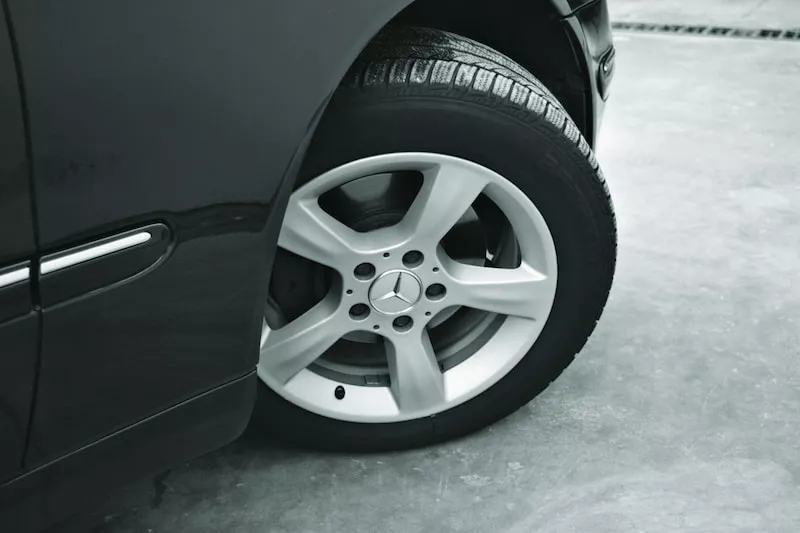
The difference between FWD and RWD lies in how the engine’s power is transmitted to the wheels to move the vehicle. FWD, or Front Wheel Drive, channels power to the front wheels, while RWD, or Rear Wheel Drive, sends it to the rear wheels.
Choosing a drivetrain system depends on your vehicle needs, as each offers different characteristics. So, what sets FWD apart from RWD? Let’s explore the key distinctions below.
Read Also: Looking for Cars Priced at 50 Million Rupiah? Check These Out!

Front-Wheel Drive, abbreviated as FWD, is a drivetrain system that delivers engine power to the front wheels. This system has been in use since the 1930s.
Over time, FWD has become increasingly popular, especially in compact cars and city vehicles. FWD's compact design makes it ideal for everyday urban driving.
Some advantages of FWD include good maneuverability, stability on slippery roads, and a more spacious cabin due to the absence of a rear driveshaft.
RWD, or Rear-Wheel Drive, is a system that sends engine power to the rear wheels. RWD is often used in sports cars and high-performance vehicles, as well as certain trucks and SUVs.
One of the benefits of RWD is its sportier, more responsive handling—especially at higher speeds and during sharp turns. Though commonly found in performance-oriented models, RWD is also present in some luxury vehicles.
Now that you understand what FWD and RWD are, let’s dive deeper into their differences. Below are several comparisons between the two drivetrain systems:
FWD vehicles typically have the engine and transmission located at the front, resulting in more weight over the front wheels. This setup provides additional traction, which improves stability on slippery surfaces.
RWD vehicles, on the other hand, often have a more balanced weight distribution between the front and rear. While this can enhance handling at high speeds, RWD may offer less traction on slick roads.
FWD is known for its maneuverability and ease of control. It allows for tighter turning and generally better performance in confined spaces. Conversely, RWD is praised for offering a sportier, more dynamic driving experience—particularly during aggressive turns and high-speed driving.
FWD is commonly found in daily drivers, family cars, and fuel-efficient vehicles. Due to its simpler construction and lower production costs, FWD vehicles are typically more affordable.
RWD, however, is often used in sports cars and performance models that emphasize driving dynamics. While RWD offers better performance, it may be less practical for daily use, especially in poor weather conditions.
FWD vehicles gain an advantage in wet or slippery conditions thanks to better traction on the front wheels. However, RWD’s balanced weight and rear-wheel propulsion can provide better control during high-speed driving and acceleration. The decision between FWD and RWD often depends on personal preference and how the vehicle will be used.
Is it important to choose a car based on its drivetrain? Absolutely—especially when considering your driving habits and preferences. When comparing FWD vs RWD, each has unique strengths tailored to different needs.
For daily urban driving, FWD is often the more practical choice. It offers excellent maneuverability and superior fuel efficiency, making it ideal for navigating city traffic. The front-heavy design also enhances traction in slippery conditions.
That said, driving enthusiasts who prioritize performance may prefer RWD. It’s the go-to for sports cars and high-performance models thanks to its dynamic, responsive handling.
RWD also excels in off-road or high-performance applications, providing better traction and acceleration in challenging terrain.
Still, FWD might be more suitable depending on your specific needs. Choosing between FWD and RWD should reflect your priorities in performance, efficiency, and safety.

Read Also: How the Car AC System Works: A Complete & Easy-to-Understand Guide!
If you’re looking for a reliable used car with either an FWD or RWD system, visit JBA Indonesia. Now that you understand the differences between FWD and RWD, choosing the right car becomes much easier.
You can find quality used vehicles through JBA Indonesia’s car auction platform. Be sure to register as a buyer to access auctions available both online and offline.
In addition to becoming a buyer, JBA Indonesia allows you to participate as a seller or dealer, enabling you to consign your vehicle for auction.
So what are you waiting for? Visit JBA Indonesia today and explore your opportunities as either a dealer or buyer!

 ?
?