



Informasi Lelang
Fitur Terbaru di JBA, Kini Bisa Lacak Status BPKB Dengan Mudah

Find Your Dream Car in JBA Indonesia
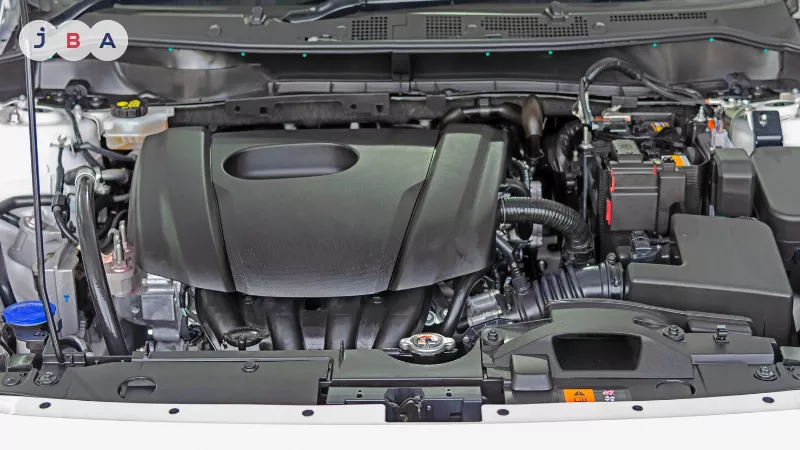
Car cooling system components are essential parts that help keep the engine temperature stable while the vehicle is running. The cooling system works by circulating coolant throughout the engine, absorbing the heat produced, and then releasing it through the radiator. This way, the engine is protected from overheating, which could damage internal components or reduce performance.
Understanding each car cooling system component is very important for vehicle owners. With this knowledge, you can perform proper maintenance, detect signs of damage earlier, and keep your car comfortable and safe for daily use. Here’s the complete explanation for you.

Car cooling system components are a series of parts that work together to regulate engine temperature so it doesn’t get too hot or too cold. Each component has its own function, but all are interconnected to keep the engine at an optimal operating temperature.
For example, the radiator releases heat from the coolant into the outside air, the water pump circulates the coolant throughout the cooling pathways, while the thermostat controls when the coolant flows into the radiator according to the engine’s temperature. Through the cooperation of these components, the engine can operate more stably and avoid the risk of overheating.
The radiator is the main component of the car’s cooling system, functioning to lower the temperature of the coolant before it returns to the engine. When hot coolant enters the radiator, the heat is released through the metal fins with the help of airflow, either from the fan or from air when the car is moving. Once cooled, the coolant is circulated back to the engine. This process keeps the engine temperature stable and prevents overheating.
Although it looks simple, the radiator cap plays an important role. It keeps the pressure inside the radiator stable, so the coolant does not boil too quickly. The radiator cap also regulates the flow of coolant to the reservoir tank.
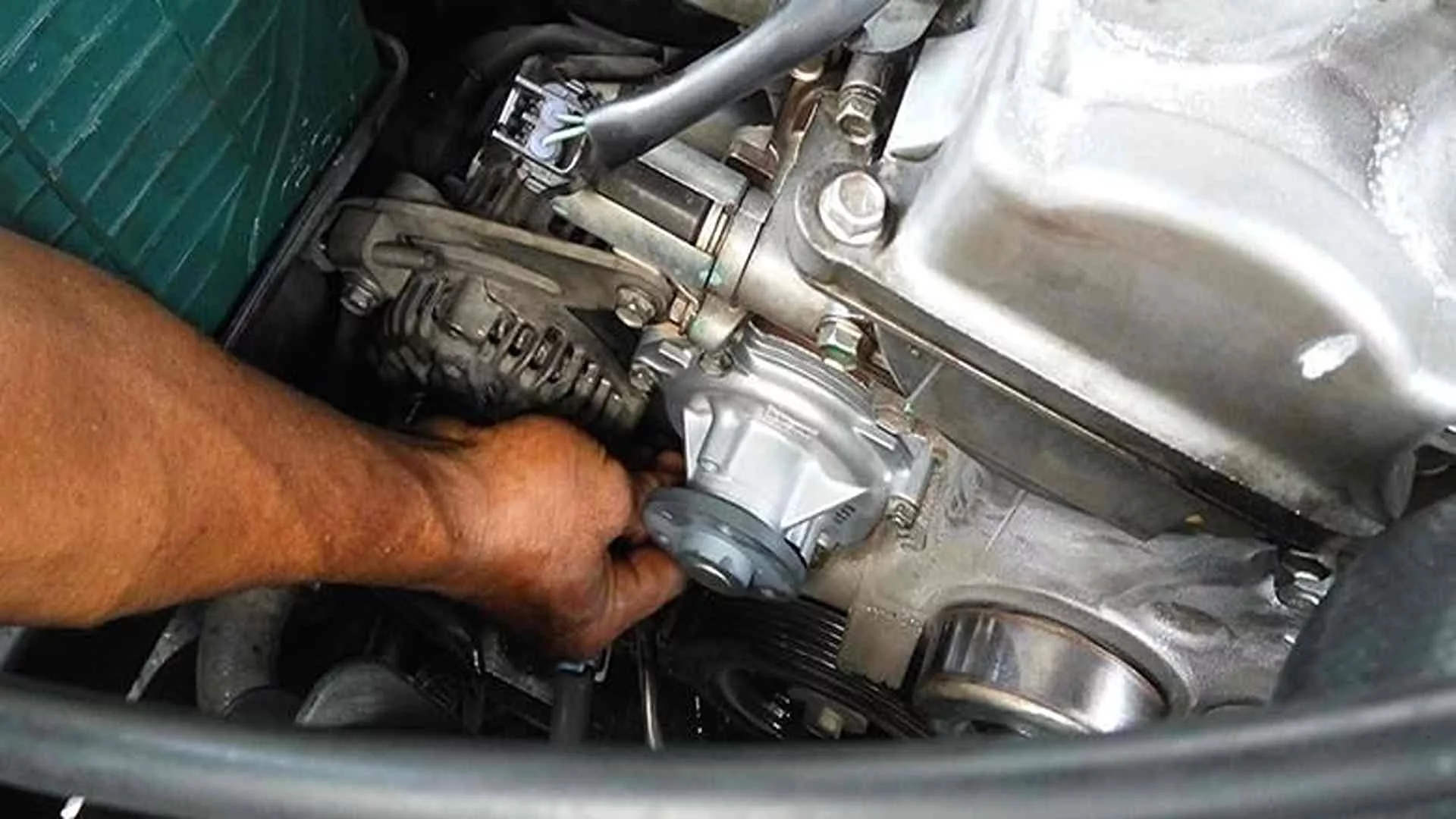
The water pump functions to circulate coolant throughout the cooling system. It works like a heart pumping blood, ensuring that coolant continues to flow through the engine, radiator, and back again.
The thermostat is an automatic valve that controls the flow of coolant. When the engine is still cold, it closes the flow to the radiator so the engine can quickly reach its operating temperature. Once the engine is hot, the valve opens, allowing coolant to flow into the radiator to be cooled.
The water jacket is one of the car cooling system components in the form of passages where coolant flows. Its function is to absorb heat from engine parts during the combustion process.
The heated coolant is held in the water jacket and, when the thermostat opens, it is directed to the radiator to be cooled. After the temperature drops, the coolant flows back into the water jacket to absorb heat from the engine again.
The cooling fan helps the radiator release heat faster. When the car stops or moves slowly, the fan activates to push air through the radiator. Some fans are engine-driven, while others use an automatic electric motor.
The radiator hose carries coolant from one component to another. It must be strong enough to withstand heat and pressure, because any leaks or cracks could cause the engine to overheat.
The reservoir tank stores excess coolant from the radiator when the engine is hot, then returns it when the engine cools down. With this tank, the amount of coolant in the system remains stable.
Coolant is a special liquid in the car cooling system that absorbs and carries heat from the engine to keep the temperature stable. Unlike plain water, coolant is formulated with anti-rust additives, antifreeze, and has a higher boiling point. This allows it to prevent corrosion of components, protect the engine from overheating in hot weather, and remain effective in cold temperatures.
The temperature sensor detects how hot the engine is and sends data to the dashboard indicator or to the ECU (in modern cars). With this sensor, the driver can know if the engine temperature becomes abnormal.
The heater core is shaped like a small radiator located inside the car cabin. Hot coolant passing through it can be used to produce warm air inside the cabin when the heater is turned on.
Sumber: otomotif.kompas.com
The car cooling system works by circulating coolant throughout the engine to absorb heat, then releasing that heat through the radiator. The flow is roughly as follows:
With this workflow, the car cooling system components work together to keep the engine temperature stable, neither too hot (overheating) nor too cold.

Understanding the components of a car’s cooling system and their functions is essential to help you maintain your vehicle better and prevent damage caused by overheating. If you are looking for a vehicle at a competitive price, don’t miss the opportunity to join a car auction at JBA. Through the JBA auction website, you can find a wide selection of used cars with a safe, transparent, and flexible process, both online and offline. Please contact us via WhatsApp at +62 817-0993-078 if you have any further questions.

 ?
?